
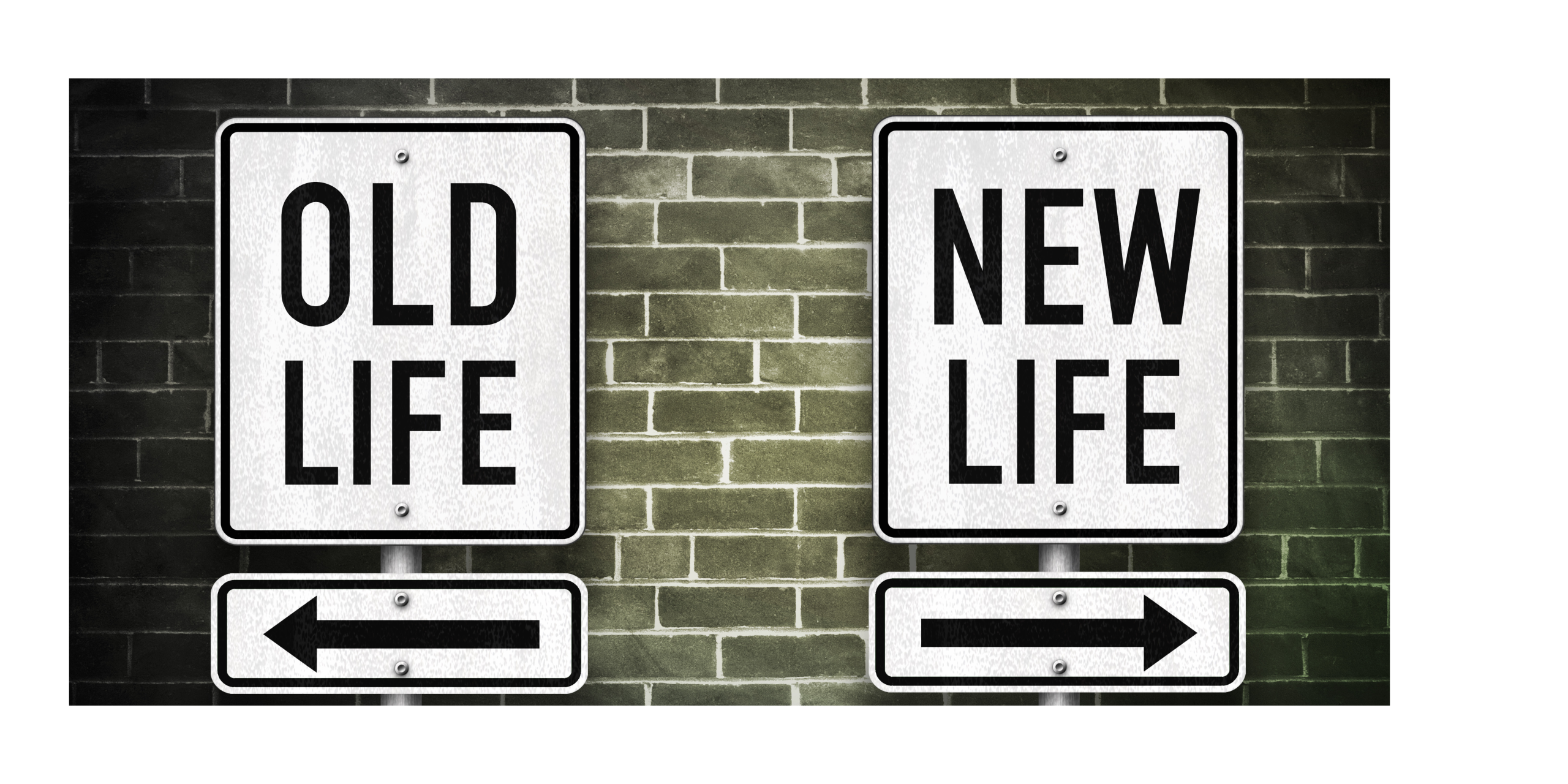
We constantly hear about people stepping down—they retire, leave their careers after 25 or more years, sell their businesses, or hand over the reins to a successor. Most people treat this as a routine event. What’s often overlooked, however, is an important question that has nothing to do with the exit itself: it’s about what the exit does to the person and the transition into what comes next.
In organizations—including professional services firms—where it typically takes a very long time and requires significant effort to reach a leadership position, leaders often become one with their role: it becomes their identity. The same is true for entrepreneurs: the company is their “baby.” This is a well-documented pattern in research on late-career stages: After decades of demanding work, stepping back rarely feels like a welcome lifestyle change, but rather like an identity crisis—regardless of the public image one chooses to project.
Change happens on the outside. Transition happens on the inside.
William Bridges, the American organizational consultant, has based his work on an important distinction: Change is an event; transition is a process. Change happens externally and can be scheduled—the retirement date, the closing date, the new letterhead. Transition is the much slower process of coming to terms with that change.
He noted that most organizations have become good at managing change but rarely manage the transition—which is why change often proceeds suboptimally, not only during a restructuring or after a merger, for example, but also at the end of a career. Yet a well-designed exit would be better not only for the individual but also for the organization.
Bridges described three phases—Ending, Neutral Zone, New Beginning—in that order, because transition begins with what has come to an end, not with what comes next. None of the three phases can be skipped. He compared this to the emotional cycle that is also experienced with other losses—denial, anger, bargaining, sadness, and finally acceptance—before something new can emerge.
Phase One: The Ending That Begins Before the Elimination
The ending begins before the farewell dinner: when succession talks start and younger colleagues take on more and more of the key responsibilities. The instinct is to jump right ahead to the next role that fills up the calendar. But what if there isn’t an obvious, fulfilling, impressive next role? The “just one more year” trap rarely has anything to do with money—it has to do with not knowing who will be left when the title no longer speaks for you.
Transition begins with identifying what is being lost—and that list goes beyond the corner office and having the final say in the room. What is lost is daily structure, the feeling of being relevant, and—above all—purpose.
Phase Two: The Neutral Zone — A Stalemate?
Then the Neutral Zone begins: The old reality is over, the new one hasn’t taken shape yet, and there is no answer to the real question: What will “success” look like in the future?
This is where thoughts about a successful transition either deepen—or fizzle out into mere busywork: exploratory coffee meetings, a handful of minor roles, a LinkedIn profile that still sounds like the old company bio.
Bridges considers the Neutral Zone to be the most important of the three phases, even though from the outside it appears to be a standstill. It is not a period of inactivity that needs to be optimized—it is the phase in which the old self-image dissolves so that a new one can emerge.
What helps: a clearly defined period for exploration, a few deliberate experiments, and honest conversations with peers who aren’t focused on the previous year’s business results. Organizations treat their numbers, their brand, their customers, and their employees with care—as long as they remain an essential part of the organization. Well-managed organizations offer a variety of career development tools, but none of them typically address leaving the organization—let alone the transition—even though both the individual and the organization would benefit from it.
Phase Three: A Smooth New Beginning
A new beginning isn’t announced—it unfolds once the inner work is done. You recognize it by the fact that you’re approaching new activities with renewed energy and a new sense of self. It is the moment when someone stops playing the old role in a new guise and begins to truly take on a different kind of contribution. Rarely is it the same career at a slower pace. More often, it is a consciously built portfolio—a carefully selected board position, mentoring driven by genuine interest rather than a sense of duty, writing or investing where experience provides a real advantage, or volunteer and charitable work chosen for its purpose, not for its visibility—and one’s own time is now protected with such vigor.
Executives who navigate this transition successfully share one habit: They begin shaping the next chapter while they still have their title, network, and influence.
And, most importantly: Reinvention is not a retreat from ambition. It is the same ambition, only reoriented in a new and self-determined way. That is exactly what “Transition Readiness” means.