
What Is a Portfolio Executive Career?
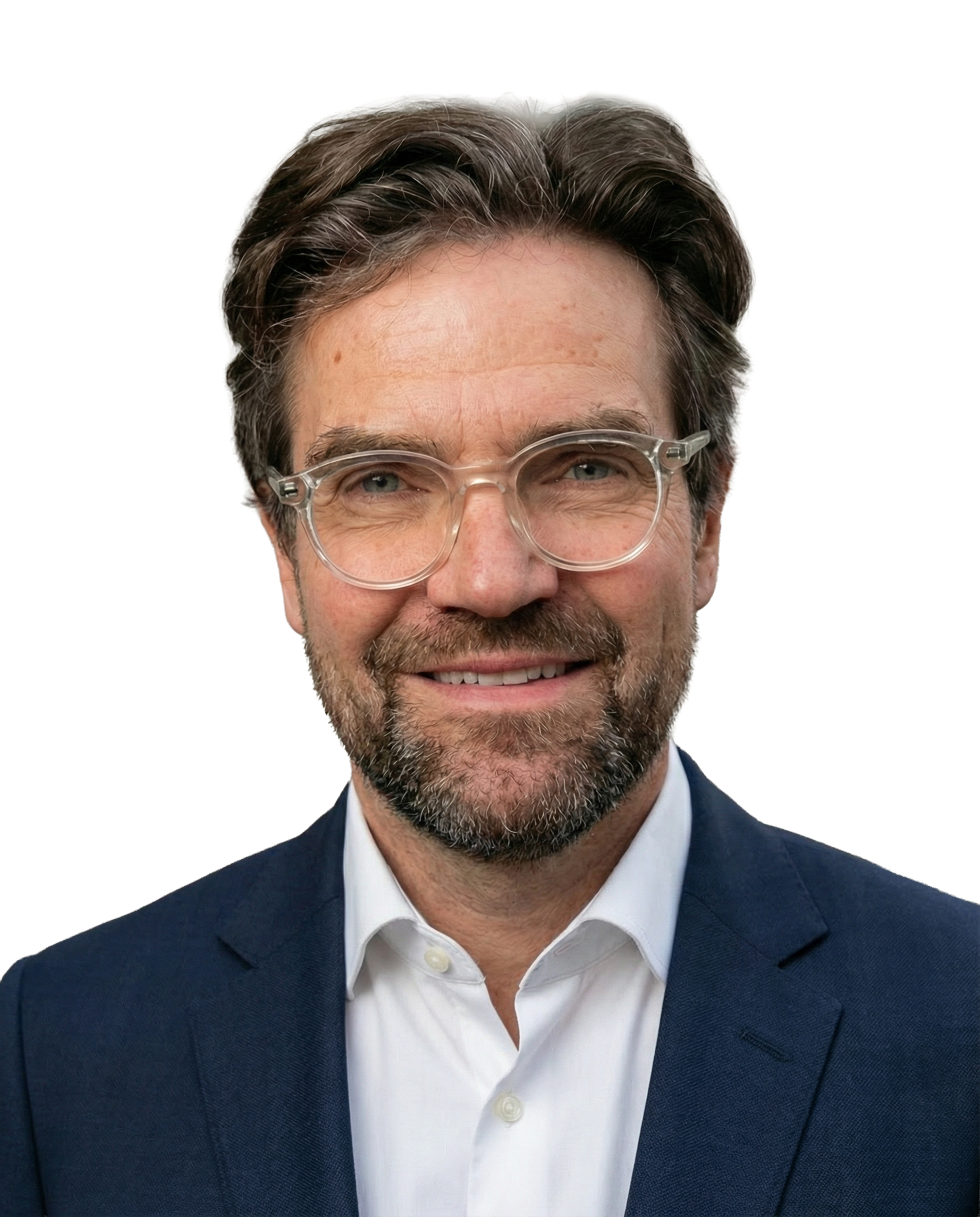
Written by Christian Jerusalem
I used to think the word “portfolio” belonged to artists and investment bankers. Then I left corporate life and discovered it might be one of the most liberating words in the English language for a senior executive.
A portfolio executive career is exactly what it sounds like: a portfolio of work that is plural, varied, and chosen. Instead of one employer, one title, and one defined lane, you build several streams of meaningful, well-compensated engagements, each drawing on a different part of your experience.
In practice, that might mean holding a board role with a company that values your strategic judgment, advising a private equity–backed scale-up, taking on a six-month transformation project, and mentoring or coaching senior leaders. There is no single boss, no annual performance cycle, and far less organizational politics shaping your time. You are deploying your expertise where it creates the most value, on terms you control.
If that sounds idealized, it is worth noting that for many senior executives this model is not only possible, but becomes the most rewarding move they never originally planned.
Why the Portfolio Model Is Growing
A portfolio executive career is a deliberate combination of multiple professional engagements running simultaneously rather than a single full-time role. These engagements typically span board positions, advisory work, consulting or interim projects, coaching relationships, and thought leadership through speaking or writing.
Board and non-executive director roles usually involve governance, oversight, and strategic counsel, often requiring a defined number of days per year. Advisory positions tend to be more flexible and focused, drawing on specific functional or industry expertise such as HR transformation, digital strategy, or international expansion, and are frequently structured around retainers or equity. Consulting and interim work is typically project-based and tied to solving clearly defined business challenges. Coaching and mentoring provide one-to-one support for senior leaders, while speaking and writing help build visibility and attract opportunities.
This model is expanding rapidly across Europe and beyond. Organizations increasingly prefer access to experienced senior talent on a flexible basis rather than committing to full-time executive hires, creating a strong and growing market for portfolio careers.
Why It Works After Corporate Life
What many executives only realize after stepping out of corporate roles is that the portfolio model rewards the full breadth of their experience.
In a traditional role, your capabilities are compressed into a single job description, one reporting line, and a narrow set of KPIs. In contrast, a portfolio career allows each dimension of your experience to find its own expression. Your long-developed strategic thinking becomes your board contribution. Your functional leadership experience translates into high-value advisory work. The hard-earned lessons from restructurings, acquisitions, and crises become the foundation for consulting engagements. And your commitment to developing others becomes mentoring and coaching.
Nothing is wasted; everything compounds.
The Shift From “Next Role” to Portfolio
After my own corporate exit, I initially followed a familiar path, searching for the next version of what I had just left—similar scope, similar title, slightly different context. After months of conversations that led nowhere, it became clear that I was not really looking for another role. I was looking for permission to work differently.
The portfolio career did not begin as a master plan. It started as a series of small, organic opportunities: an advisory engagement through a former colleague, a board introduction from a long-standing connection, a coaching client who reached out during her own transition.
Within eighteen months, I was working across five organizations, earning more than in my previous corporate role, working fewer hours, and doing some of the most meaningful work of my career. What began as an experiment evolved into a business and ultimately, a calling.
The Core Portfolio Streams
Not all portfolio activities are equal in income, energy, or strategic value. The most effective portfolio executives focus on a small number of complementary streams.
Board and NED roles often serve as the anchor. They provide credibility, structured income, and access to influential networks, while allowing you to contribute at the highest level of governance and strategy. Advisory engagements are where deep functional expertise commands premium value, often in areas such as transformation, M&A integration, digital strategy, or market expansion, and are frequently structured over multi-year periods with a mix of retainers and equity.
Consulting and interim projects form the financial engine of many portfolios. These are typically time-bound, outcome-focused engagements that generate immediate income while keeping you close to operational reality. The key is to define scope and boundaries clearly to avoid drifting into full-time commitments without corresponding terms.
Coaching and mentoring, while sometimes underestimated, often become the most meaningful component. Supporting the next generation of leaders not only brings personal fulfillment but also builds long-term professional legacy through the people and organizations you influence.
How to Get Started
The most common mistake is waiting for perfect clarity. A portfolio career is built through action, not design.
It begins with a rigorous audit of your experience across strategic domains, functional expertise, and operating contexts. From there, you identify the areas where your capabilities are both distinctive and in demand. The next step is translating that experience into clear positioning: what you offer as a board member, the problems you solve as an advisor, the outcomes you deliver as a consultant, and the leaders you best support as a coach.
Progress then comes through deliberate, targeted conversations rather than broad announcements. Reconnecting with a small group of trusted peers, board members, investors, and advisors often leads to the first opportunities. At the same time, building a visible professional presence—particularly on LinkedIn and through thought leadership—helps others understand and find your work.
Importantly, you do not need to activate every stream at once. One well-chosen engagement is enough to begin, and it will quickly inform how you shape the rest of your portfolio.
The Reality Behind the Freedom
The transition is not without challenges. The first six to twelve months can feel ambiguous and, at times, uncomfortable. Many executives find themselves missing aspects of corporate life they once took for granted: structure, routine, even the familiarity of internal dynamics.
More significantly, there is an identity shift. When a long-held title disappears, the question of professional identity becomes more immediate. Over time, however, that identity expands rather than contracts. You are no longer defined by a single role but by the cumulative value of your experience.
Clients do not see a former title; they see someone who understands their challenges deeply and can help them navigate complexity with credibility.
A Different Definition of Success
Executives who succeed in portfolio careers make a fundamental shift in how they define success. Instead of measuring it through hierarchy, headcount, or budget size, they focus on impact, autonomy, quality of relationships, income on their own terms, and time for the life they have earned.
A portfolio career is not a fallback when a corporate role does not materialize. It is a deliberate design choice—one that becomes available when experience, network, and perspective align.
At WiseForce Advisors, this is exactly the transition we help senior executives navigate: moving from a single corporate identity to a multi-stream portfolio that fully leverages their experience.
About WiseForce Advisors
WFA is pioneering a new standard in peer-to-peer strategic transition advisory for C-level leaders, senior executives, and founders through bridging the gap between lived executive experience and discreet strategic guidance. The firm’s unique approach is powered by a collective of former C-suite executives who have navigated these complex transitions themselves. WFA is the partner of choice for leaders strategically shaping their next chapter. https://www.wiseforceadvisors.com